

Last Updated on December 17, 2025 by Kari-Ann Ryan
If you’re wondering whether moving in winter actually saves money compared to summer, the short answer is often yes, but it depends. In many markets, winter moves can cost less than peak summer dates due to lower demand, but factors like your flexibility, location, and weather risks all play a role.
We hear this question every winter from renters, homeowners, and office managers trying to decide whether to brave the cold or wait for warmer months. Based on decades of experience scheduling residential and commercial moves across the Midwest, the answer isn’t just about the season. It’s about timing, preparation, and how flexible your schedule can be.
This guide is for renters, homeowners, and office managers planning a relocation who want to understand when moving in colder months can lead to better pricing. While winter isn’t automatically cheaper, it often gives you more negotiating power and access to better moving deals than the busy summer season.
How Moving Demand Changes by Season
Seasonal demand plays a major role in how moving companies price services and manage availability. Understanding how demand shifts throughout the year can help you anticipate costs, booking timelines, and flexibility.
Seasonality at a Glance
- Peak season: Most moves in the U.S. take place between May and September, with June, July, and August being the busiest months. According to the U.S. Census Bureau’s Current Population Survey (CPS), nearly half of all annual household moves occur during the summer months, when families align relocations with school breaks, lease turnovers, and home sales.
- Off-peak season: Late fall and winter, roughly November through March, see far fewer moves. December is typically the slowest month of the year, with only a small percentage of relocations taking place.
Why Summer Is the Busiest Time to Move
The summer surge isn’t random. It’s driven by predictable factors:
- School schedules: Families often wait until school is out to relocate, minimizing disruption for children.
- Better weather: Warm temperatures and longer daylight hours make packing, loading, and travel easier.
- Housing cycles: Real estate activity peaks in spring and early summer, and many leases end in June or July, pushing more moves into these months.
Why Winter Is Slower
Demand drops significantly once temperatures fall:
- Weather barriers: Cold, snow, and icy conditions can make moving more challenging, especially in northern climates.
- Holidays and timing: Late-year holidays discourage relocations, and many people wait until after the New Year.
- Fewer lease turnovers: With most leases cycling in summer, fewer renters are forced to move in winter.
Moves by Season
- Summer (May–September): High demand — approximately 45–60% of moves
- Spring & Fall: Moderate demand
- Winter (November–March): Low demand, especially December and January
What We See in Real Scheduling Patterns
At Mid-West Moving & Storage, winter demand is consistently lower than summer, particularly for local residential and office moves. December and January tend to offer the most flexibility, while June through August often require booking weeks in advance. This difference in demand directly affects pricing, scheduling options, and how much flexibility movers can offer.
Price Comparison: Winter vs. Summer Moves
Moving costs aren’t determined by the calendar alone. Pricing is shaped by supply, demand, and logistics. Understanding how winter and summer differ helps set realistic expectations when reviewing quotes.
From Our Experience Pricing Moves
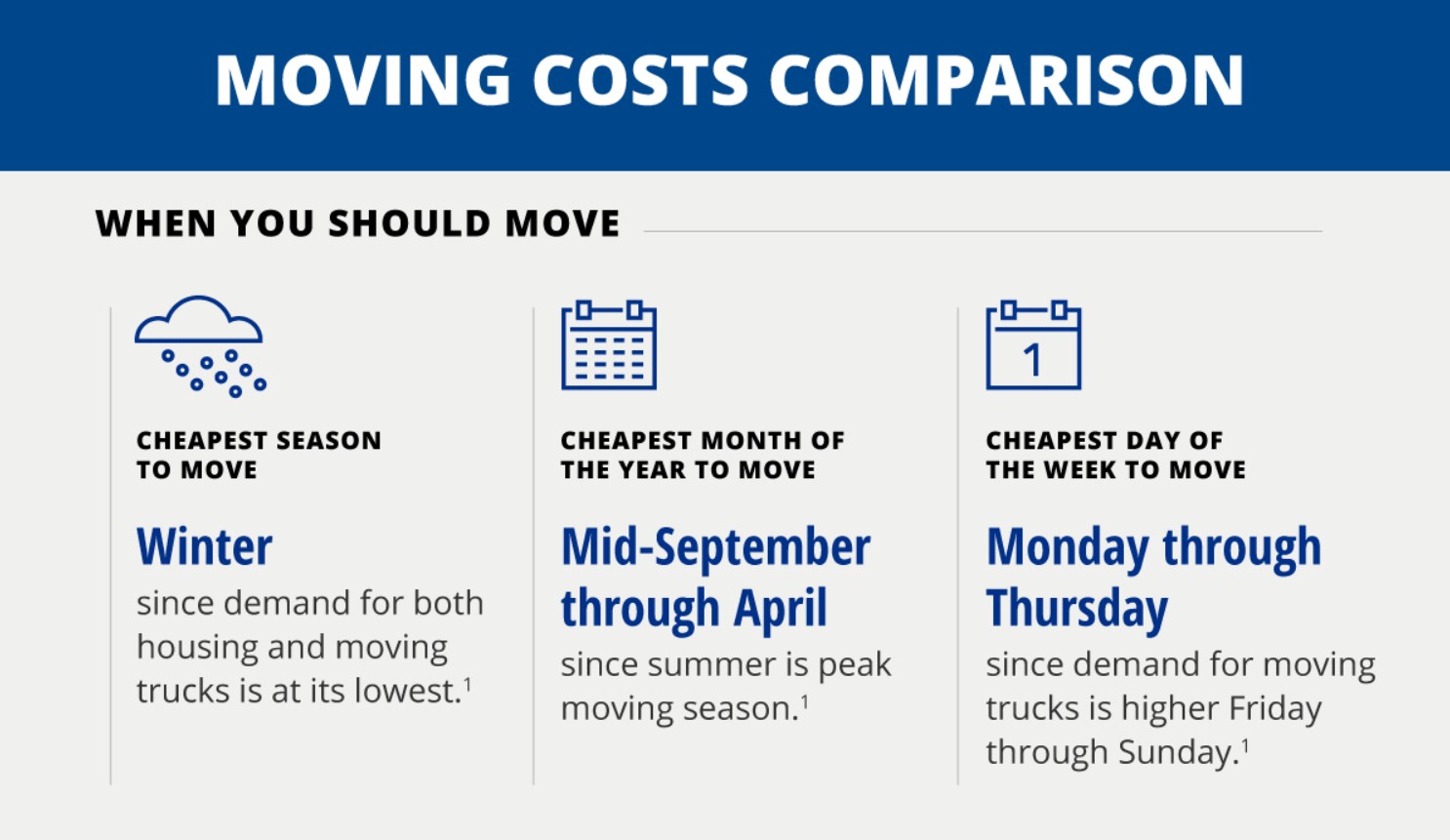
Based on our booking patterns, weekday winter moves often come in 10–20% lower than comparable summer weekend moves, especially for local relocations. The biggest savings usually appear mid-week and mid-month, when schedules are less compressed and crews have more availability.
Typical Summer Pricing Factors
Summer is peak moving season, and pricing reflects it:
- Higher demand: Movers book quickly, limiting date and time options.
- Premium dates: Weekends and end-of-month moves in June, July, and August often carry higher rates.
- Limited negotiation: Discounts are uncommon because demand remains strong regardless of pricing.
- Tighter schedules: Arrival and delivery windows may be narrower, particularly for long-distance moves.
Typical Winter Pricing Factors
Winter is considered the off-season in many markets, which can work in your favor:
- Lower demand: More open calendars and easier scheduling.
- Better deals on timing: Weekday and mid-month moves are more likely to be discounted.
- Seasonal promotions: Some movers offer winter specials to keep crews busy.
- Regional planning advantages: In Midwest markets where snow removal and road maintenance are routine, winter moves often run smoothly when properties are properly prepared.
Potential added winter considerations include:
- Snow or ice removal at pickup or delivery locations
- Slower loading times due to cold or slippery conditions
- Weather-related delays that can extend labor hours
What Actually Drives Your Moving Quote (Any Season)
Regardless of whether you move in July or January, most moving quotes are built around the same core factors. Understanding these helps you spot real savings opportunities.
Key elements that influence pricing include:
- Distance: Local moves are usually hourly; long-distance moves are based on mileage and weight or volume.
- Home size / volume: More rooms and belongings mean more labor, time, and truck space.
- Access challenges: Stairs, elevators, long carries, narrow hallways, or limited parking can increase labor costs.
- Packing services: Professional packing, unpacking, and packing materials add to the total.
- Day and timing: Weekends and end-of-month dates typically cost more than weekdays and mid-month moves.
- Season and demand level: Peak-season demand often raises prices, while off-season demand can create room for negotiation.
Winter moves often offer more pricing flexibility, but the best deal comes from understanding how these factors interact and planning your move accordingly.
If you’re moving locally, understanding regional pricing matters. Our breakdown of Average Moving Costs in Chicago: What You Need to Know explains how local rates, labor time, and access factors influence final moving costs.
Pros and Cons of Moving in Summer
Summer is the most popular time to move, but popularity comes with trade-offs. Here’s a balanced look at the advantages and drawbacks to help you decide if a summer move makes sense for your situation.

Pros of Moving in Summer
- Better weather conditions: Warm temperatures and dry roads reduce the risk of delays caused by snow or ice.
- Longer daylight hours: More daylight means more time to load, transport, and unload without rushing.
- Easier for families: Moving during summer break minimizes disruptions for school-age children.
- More housing options: Home listings and rental availability tend to be higher due to the summer real estate cycle.
Cons of Moving in Summer
- Higher demand and higher rates: Peak-season pricing often means paying more for the same services.
- Limited availability: Prime dates and time windows, especially weekends and month-end fill quickly.
- Advanced booking required: Movers often book out weeks, sometimes months, in advance.
- Heat-related challenges: High temperatures can be hard on movers, families, pets, and heat-sensitive items like candles, electronics, and plants.
From a mover’s perspective:
Summer is the busiest time of year. Crews often handle multiple jobs in a single day, schedules are tighter, and delays can have a ripple effect. While experienced movers plan for this, it’s another reason why flexibility or booking early is critical during peak season.
Understanding these pros and cons helps set realistic expectations and explains why summer moves tend to cost more, even though they offer convenience and favorable conditions.
Pros and Cons of Moving in Winter
Winter moves are often overlooked, but for the right person, they can offer real advantages. Below is a clear look at the benefits and challenges of moving during the colder months.
Pros of Moving in Winter
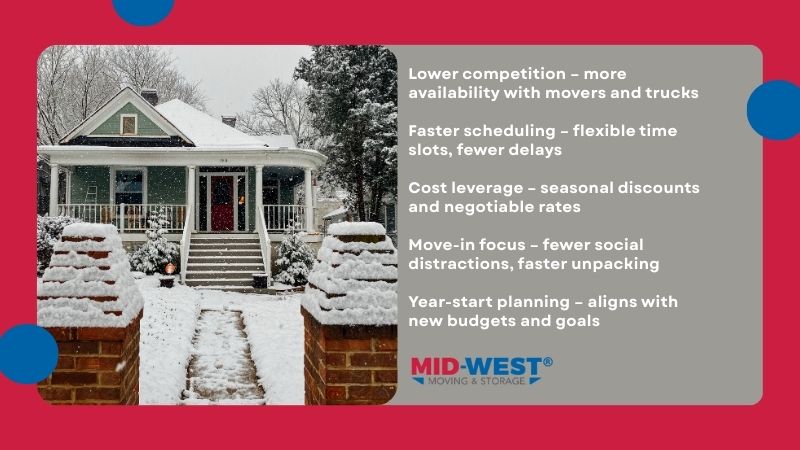
- Greater chance of discounted rates: Lower demand often leads to off-season pricing, promotions, or special winter deals.
- Better availability: It’s usually easier to book movers on short notice, even during popular days of the month.
- More focused service: With fewer jobs scheduled, crews may have more time and flexibility to concentrate on your move rather than rushing to the next one.
- Less competition: Reduced traffic and fewer move-ins can make parking, loading zones, and elevator access easier in some buildings.
Cons of Moving in Winter
- Weather-related risks: Snow, ice, freezing temperatures, and poor road conditions can slow down or delay a move.
- Shorter daylight hours: Less daylight can limit working time and increase the chance of delays.
- Holiday scheduling conflicts: Late November through early January can be tricky due to personal plans and reduced crew availability.
- Extra preparation required: Clearing sidewalks, salting walkways, plowing driveways, and protecting floors from snow and slush may add time and effort.
In many areas, the cheapest time to move is a weekday, mid-month, during the off-peak season, as long as weather conditions cooperate. If you’re flexible and prepared, a winter move can offer both savings and a smoother booking experience.
For additional cold-weather planning advice, check out our guide on Tips to Make Your Winter Move Easier, which covers preparation steps that help reduce delays and keep winter moves running smoothly.
How to Get the Best Deal in Any Season
No matter when you move, there are strategies to maximize savings and avoid surprises. By planning strategically and asking the right questions, you can secure the best deal while ensuring a smooth relocation.
Be Flexible on Date and Time
Flexibility is one of the easiest ways to save on moving costs:
- Mid-week moves (Tuesday–Thursday) are often cheaper than weekends.
- Mid-month moves typically cost less than those at the beginning or end of the month.
- Winter flexibility is especially valuable for avoiding storms or icy conditions. Being able to adjust your move by a day or two can prevent delays and additional fees.
Many cost-saving strategies apply year-round. Our article on 11 Moving Tips That Will Save Money outlines practical steps you can take before, during, and after your move to keep expenses under control.
Ask About Off-Season or Mid-Week Discounts
Don’t be shy, movers expect questions about pricing:
- Winter specials or off-season promotions can reduce costs significantly.
- Senior, military, or corporate discounts may apply.
- Weekday vs weekend rates are worth asking about; even a small date shift can save money.
When working with us, our team is happy to explain all available discounts and help schedule your move when you get the most value.
Book Early for Summer and “Smart Early” for Winter
Timing affects availability and cost:
- Summer moves: Aim to book 4–8 weeks in advance to secure your preferred date and time.
- Winter moves: You don’t always need to book that far ahead, but it’s smart to:
- Have a backup date in case of storms.
- Confirm rescheduling policies to avoid last-minute fees.
Compare More Than Just the Hourly Rate
The cheapest quote isn’t always the best deal. Watch for red flags:
- Very low quotes without a written estimate.
- Companies without licensing or insurance.
When comparing movers, consider:
- Services included in the price (packing, loading, unloading).
- Travel time or fuel surcharges.
- Fees for stairs, long carries, or special handling of fragile items.
- Packing materials, boxes, and supplies.
By looking beyond the headline rate, you can avoid hidden costs and choose a mover that offers the best value, whether you’re moving in the heat of summer or the chill of winter.
Safety & Practical Tips for Winter Moves
Moving in winter comes with extra challenges, but a little preparation goes a long way. These practical tips help protect your family, pets, and belongings while keeping your move safe and efficient.
Clear Walkways and Driveways
- Shovel snow and remove ice from sidewalks, steps, and driveways before movers arrive.
- Apply salt, sand, or mats to reduce the risk of slips and falls.
Protect Your Floors
- Lay down runners, cardboard, or plastic sheets in high-traffic areas to prevent water, salt, and mud from damaging floors.
- Keep a few extra towels on hand for wet or slushy shoes.
Keep Pets and Family Safe
- Ensure pets and vulnerable family members are warm and secure during the move.
- Consider creating a quiet, safe space for children and pets away from moving activity.
Pack a Winter Essentials Box
Include items that will keep everyone comfortable and prepared:
- Warm clothing: hats, gloves, coats, and extra layers.
- Tools: shovel, ice melt, or sand for clearing slippery areas.
- Protective materials: towels, floor mats, or plastic sheeting.
- Comfort and necessities: thermos with hot drinks, snacks, medications.
By preparing in advance, you reduce hazards and make the moving process smoother for everyone involved while ensuring you’ll be ready to handle winter weather surprises without stress.
When a Summer Move Might Be Worth Paying More
While winter moves often offer savings, there are situations where paying a premium for a summer move makes sense. The key is weighing convenience, safety, and the specific needs of your household or items.
Examples of when summer may be the better choice:
- Families with school-age children: Moving during summer break avoids disrupting school schedules and makes transitions smoother.
- Long-distance moves in extreme climates: For moves that cross regions with harsh winter weather, summer can reduce the risk of delays or dangerous road conditions.
- Seniors or individuals with mobility challenges: Mild temperatures make it easier and safer for older adults or those with physical limitations to navigate a move.
- Moves involving temperature-sensitive items: Fine art, certain electronics, plants, or other fragile belongings may fare better in warmer, controlled conditions.
In these cases, the extra cost of a summer move may be worth the reduced stress, improved safety, and better protection of your belongings. It’s a reminder that the “cheapest” move isn’t always the smartest, timing should match your specific needs and circumstances.
When a Winter Move Can Save You the Most
Winter moves aren’t just for off-season flexibility, they can offer real savings and strategic advantages for the right situation. Timing, location, and personal flexibility are key factors that make winter moves cost-effective.
Examples of when winter moves shine:
- Flexible schedules: Renters or homeowners who don’t have school constraints can take advantage of lower-demand days mid-week or mid-month.
- Local moves in maintained areas: If roads and driveways are cleared regularly, winter weather poses minimal risk, making it an ideal time to move.
- Budget-conscious movers: Those looking to save can benefit from off-season promotions, mid-week discounts, and lower labor rates.
- Mild winter climates: Areas with moderate temperatures and little snow offer the chance to move comfortably without peak-season premiums.
Mini-scenario:
- If you’re a couple moving across town in a city where winter is cold but manageable, a December weekday move could save 10–20% compared to a Saturday in July.
- For a local apartment move with flexible timing, booking a mid-week January date may provide both availability and cost savings that are hard to beat in peak summer months.
For movers who can plan around weather and schedule constraints, winter often provides the best combination of availability, negotiation power, and cost savings.
Make Your Move Easier with Mid-West Moving & Storage
Whether you’re moving in the heat of summer or the chill of winter, the right moving team can make all the difference. Mid-West Moving & Storage combines experience, professionalism, and attention to detail to ensure your move is smooth, safe, and stress-free, no matter the season.
From carefully navigating winter roads to managing peak summer demand, our team handles every aspect of your relocation, including packing, loading, transport, and unloading. We also provide expert advice on timing, discounts, and special services to help you get the best value for your move.
Don’t leave your move to chance. Contact Mid-West Moving & Storage today to schedule moving services and experience a move that’s efficient, reliable, and tailored to your needs, whether you’re looking to save on a winter move or take advantage of summer’s conveniences.
Moving in Winter or Summer FAQs
Is it cheaper to move in winter or summer?
What is the cheapest month to move?
What day of the week is best for moving to save money?
Will movers cancel if it snows?
How far in advance should I book movers in summer vs. winter?
Winter moves: You usually have more flexibility and don’t need to book as early, but it’s smart to have a backup date in case of storms and confirm rescheduling policies.

Director of Marketing & Development
Kari-Ann Ryan is a dynamic marketing strategist with a proven track record in brand development, corporate visibility, and business growth. As the Director of Marketing & Development for Mid-West Moving & Storage and Chicago Office Movers, she leads all branding, marketing, and business development initiatives, driving awareness and engagement across multiple industries.
With extensive experience in multi-brand marketing, nonprofit fundraising, event planning, and retail management, Kari-Ann brings a comprehensive and results-driven approach to her role. She is a dedicated leader in the business community, actively involved in the Schaumburg Business Association and the GOA Regional Business Association. She also serves as a Board Member for the Alzheimer’s Association Illinois Chapter, reinforcing her commitment to advocacy and philanthropy.
In addition to her corporate role, Kari-Ann is the founder of LMJ’s Lost Souls – Alzheimer’s Fund, a nonprofit organization dedicated to awareness, education, and fundraising for Alzheimer’s research and support.
She holds a Bachelor of Business Administration in Marketing from Western Michigan University and is Certified in Constant Contact Email Marketing, with expertise in social media strategy and digital engagement.