Last Updated on November 5, 2026 by Kari-Ann Ryan
To organize a furniture inventory before moving, go room by room, give every piece a number, and log its condition, size, value and destination room in one shared list. Photograph each item, tag it keep, sell, donate or store, and bag its hardware with the same number. That’s the whole system. The rest of this post shows how to set it up so your movers, your insurance and your new floor plan can all use it.
Most people make a list. Fewer make one that’s organized, and that’s the part that pays off on moving day when a crew of three is asking where the walnut dresser goes.
The 7-step system
- Pick one place to keep the list.
- Walk the house room by room and number every piece.
- Record condition, size, value and destination for each item.
- Photograph every piece, close up on any damage.
- Tag each item keep, sell, donate or store.
- Bag and label the hardware with the item’s number.
- Share the final list with your mover and print a copy for moving day.
1. Pick one place to keep the list
A Google Sheet works best for most families because everyone can edit it from their phone and it’s backed up automatically. A notebook is fine for a studio apartment. What doesn’t work is half the list in a notes app and the other half on the back of an envelope. Set up these columns before you start: Item #, Room (current), Item, Condition, Dimensions, Est. Value, Decision, Destination Room, Notes, Photo link.
2. Number every piece, room by room
Start in the room farthest from the front door and work toward it. Give each room a short code and number items inside it: LR-01 for the living room sofa, LR-02 for the coffee table, BR2-01 for the second bedroom’s bed frame.
Write the number on painter’s tape and stick it somewhere hidden, like the back panel or under a chair seat. Now the piece, its photos, its row in the sheet and its hardware bag all share one ID.
Don’t skip the basement, garage, patio or storage locker. Those are where forgotten furniture shows up on moving day and throws off the truck size.
3. Record condition, size, value and destination
Keep condition simple: Excellent, Good, Fair, Damaged. Then measure height, width and depth. Depth gets missed the most, and it’s the number that decides whether a sectional clears a vintage two-flat stairwell in Logan Square or a tight condo elevator downtown. For value, use what you paid or a recent appraisal for antiques and heirlooms. Then write the destination room for the new place. This one column is what lets a crew unload without asking you about every piece.
4. Photograph everything, then the damage
Take one wide shot of each piece and a close-up of every existing scratch, chip, stain or wobbly leg. Paste the photo link into the row. Photos with a date stamp are your pre-move record if you ever need to file a valuation claim, so take them in good light and make sure the item number tape shows in at least one shot.
5. Tag what stays and what goes
This is where the inventory turns into savings. Add a Decision column with four options: Keep, Sell, Donate, Store. A recliner that no longer reclines or a particleboard bookcase that won’t survive being taken apart again usually costs more to move than to replace. If you’re on the fence about a piece, our guide on how to decide if furniture is worth moving walks through it. Fewer items means fewer labor hours and a smaller truck, which is the fastest way to lower a moving quote. Color-code the tape too if it helps: green for keep, yellow for storage, red for leaving the house.
6. Bag and label the hardware
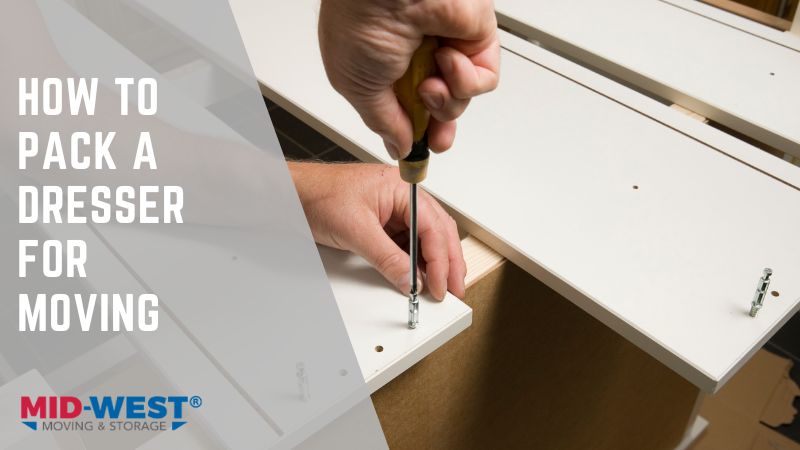
When you take apart a bed frame, table or desk, put every screw, bolt, cam lock and Allen key in a zip bag. Write the item number on the bag and tape it to the largest piece of that item. Add a note in the sheet, like “3 bolts + key taped under rail.” Missing hardware is one of the most common reasons a bed doesn’t get reassembled on day one.
7. Share it with your mover and print a copy
Send the sheet to your moving company before the estimate. A complete inventory gets you a more accurate quote because the estimator knows the real item count, the oversized pieces and anything that needs crating. On moving day, print two copies. One stays with you. The other gets taped up by the front door of the new home so the crew can check numbers against destination rooms as pieces come off the truck.
Furniture Inventory Template
| Item # | Room | Item | Condition | Dimensions (H x W x D) | Est. Value | Decision | Destination | Notes |
|---|---|---|---|---|---|---|---|---|
| LR-01 | Living room | Leather sofa | Good | 34″ x 84″ x 38″ | $1,100 | Keep | Family room | Two scratches, left arm |
| LR-02 | Living room | Glass coffee table | Fair | 18″ x 48″ x 24″ | $220 | Keep | Living room | Glass top lifts off, crate it |
| DR-01 | Dining room | Oak dining table | Good | 30″ x 72″ x 40″ | $650 | Keep | Dining room | Legs removable, bag DR-01 |
| DR-02 | Dining room | Victorian side chair | Excellent | 38″ x 20″ x 21″ | Appraised [ADD] | Keep | Entry | Heirloom, extra padding |
| BR1-03 | Bedroom 1 | 6-drawer dresser | Fair | 32″ x 60″ x 19″ | $280 | Donate | n/a | Bottom drawer broken |
| BSMT-01 | Basement | Treadmill | Good | 55″ x 30″ x 70″ | $600 | Store | Storage unit | Fold and lock deck |
What Are the Benefits of a Furniture Inventory List?
A furniture inventory list serves many purposes. It streamlines the relocation process by alerting homeowners as to what furniture needs to be prepared for the move and what pieces can be donated or discarded. A recliner that no longer reclines might be better off discarded.
The moving company provides a more accurate quote for their services when provided with a furniture inventory list. Knowing the exact number of furniture items to move gives them a clearer picture of the labor, time, and resources needed for the relocation.
Referring to the aforementioned example of the antique chair, its condition described in the furniture inventory list can be used in the event of damage during the move. The list is a pre-move record that proves the chair’s original state and can be used to file insurance claims.
Plus, the furniture inventory list is a great tool for decluttering. Homeowners may wish that old furniture, like the previously mentioned recliner, be donated rather than hauled to the new home. By reducing the number of items to be moved, the overall moving cost decreases.
How Do Homeowners Decide which Furniture is Worth Moving?
Deciding which furniture is worth moving depends on several factors. First off, focus on its functionality. A rickety rocking chair that has a high risk for being damaged during the move is worth donating rather than transporting to the new home.
Another factor to consider is whether or not a piece of furniture will fit into the layout of the new space. Families or individuals who are downsizing may resort to giving away most of their bulky furniture due to the size limitations of their new condo or apartment.
Furniture choices also depend on the aesthetics of both the furniture and the new property. If the new home’s architectural style differs starkly from the current residence, it may be desirable to choose pieces that blend with or compliment the new home’s design.
Some furniture pieces evoke memories or are family heirlooms, making it difficult to part with them. Even when sentimental items fail to fit into the new home’s layout or clash with its architectural design, homeowners may elect to relocate them.
Related: How to Decide If Furniture is Worth Moving

How Do Homeowners Protect Furniture During the Move?
Protecting your furniture during a move is really important to make sure everything arrives in one piece. Using the right materials can make all the difference. Here are some of the best supplies and tips to keep your furniture safe throughout the move:
- Stretch wrap and padding help protect your furniture by cushioning surfaces and holding protective layers in place. This prevents scratches and small dents during loading and transport.
- Moving blankets are thick and soft, perfect for wrapping around larger pieces like couches and dressers. They act like a buffer against bumps and scratches when things get tight in the truck.
- Bubble wrap is great for fragile parts like glass tabletops, mirrors, or delicate legs on tables and chairs. It keeps these vulnerable spots safe from cracks or chips.
- Plastic sofa covers protect your upholstery from dirt, dust, and moisture while everything is being moved. This is especially helpful if the weather is unpredictable.
- Custom crates are ideal for valuable or antique pieces that need extra care. These crates hold your furniture steady and protect it from heavy bumps or jolts.
- Labeled bags or boxes are a lifesaver when you take furniture apart. Keep screws, bolts, and other small pieces in clearly marked bags and attach them to the right furniture, so you don’t lose anything.
One last tip — if you can, take apart big furniture before moving. It makes everything lighter and easier to carry, plus it saves space in the truck. Use a dolly to move heavy items, and be sure to secure everything with straps or ropes so nothing shifts around on the road.
For more detailed tips on protecting your furniture, check out our full guide: How to Protect Your Furniture During a Move.
Why Document Furniture Condition?
Documenting furniture condition protects you during disputes or damage claims. Here’s how:
- Take clear photos of each piece before the move
- Note scratches, dents, or existing damage
- Use this record to support moving insurance claims if needed
Professional Furniture Moving from Mid-West Moving and Storage
Although homeowners should take an inventory of their furniture prior to moving, it’s advisable to leave the furniture moving to the pros. Mid-West Moving & Storage is a professional mover with an experienced crew that can provide top-quality furniture protection and moving services.
We disassemble all types of furniture with ease. Whether you plan to move an antique grandfather clock or a sizeable pool table, our movers possess the skill and training to ensure each piece of furniture receives the highest level of care and protection. Our professional moving services ensure your belongings are loaded onto the truck and transported with careful handling. Upon arriving at the destination, we unload your goods and offer unpacking services. We follow your inventory list so each furniture piece is positioned in the correct location.
We’ve moved countless satisfied customers to and from family homes, condos, apartments, college dorms, and retirement communities. Our quality moves are available to homeowners and renters, along with exceptional customer service, budget friendly options, and keeping your relocation on schedule.
When you are planning a move, choose Mid-West Moving & Storage. We move families and individuals into and out of Chicago, Illinois and suburbs. Call our office today to obtain a free moving quote or to schedule your upcoming relocation.
Not sure what your move will cost? Try our moving cost calculator to get a quick, personalized estimate and plan your budget with confidence.
FAQs
What’s the easiest way to organize a furniture inventory before moving?
Use one shared spreadsheet. Go room by room, give each piece an ID like LR-01, and log condition, dimensions, value, a keep/sell/donate/store decision and the destination room. Link a photo to each row.
How far ahead should I make a furniture inventory?
Start two to three weeks before moving day. That leaves time to sell or donate what you’re not taking and to send an accurate list to your mover before the estimate.
Should I photograph furniture before moving?
Yes. Take a wide shot and close-ups of existing damage for every piece. Dated photos are your record of pre-move condition if you need to file a claim.
What should a furniture inventory include?
Item ID, current room, description, condition, height, width and depth, estimated value, decision, destination room, notes on hardware or fragile parts, and a photo link.

Senior Move Consultant | Mid-West Moving & Storage
Michael Tae is a Senior Move Consultant at Mid-West Moving & Storage, bringing over 20 years of experience in the moving industry, specializing in residential and commercial moving solutions. Since joining Mid-West Moving & Storage in 2019, Michael has helped countless clients navigate their moves with confidence by providing expert guidance, personalized planning, and a customer-first approach.
As a leader of the inside sales team, Michael works closely with homeowners, businesses, and families to ensure every move is organized, efficient, and stress-free. His calm communication style and industry knowledge help clients make informed decisions throughout the moving process.
A lifelong Chicago native, Michael understands the unique needs of individuals and businesses moving throughout the Chicagoland area. Outside of work, he enjoys spending time with his wife and two children.
Michael shares his moving expertise through Mid-West Moving & Storage’s blog, providing helpful insights on residential moving, commercial relocations, senior moves, packing tips, and planning a successful move.